13 Reading comprehension - Heat Transfer Summary terms
Create an electronic glossary with vocabulary and key concepts from the reading to get familiar with terminology - HEAT TRANSFER
closed system
noun
A closed system is a type of thermodynamic system where mass is conserved within the boundaries of the system, but energy is allowed to freely enter or exit the system.
Example: system where energy is exchanged but not with matter from its surroundings.
en: sistema cerrado
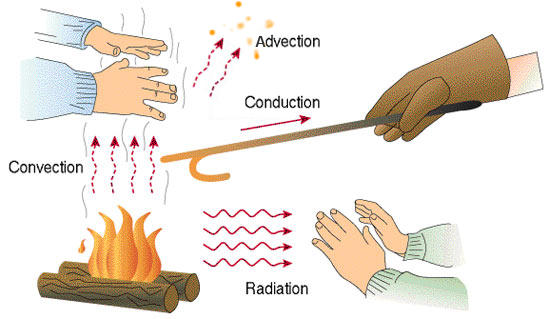
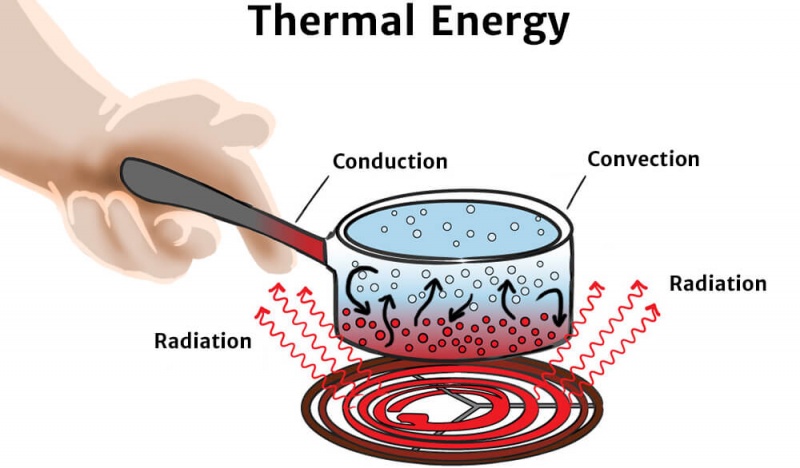
Conduction
noun
the process by which heat or electricity is directly transmitted through a substance when there is a difference of temperature or of electrical potential between adjoining regions, without movement of the material.
Example: Heat transfer through solid objects is through CONDUCTION. Heat transfer from a solid to air is by CONDUCTION and partial convection.
en: Conducción
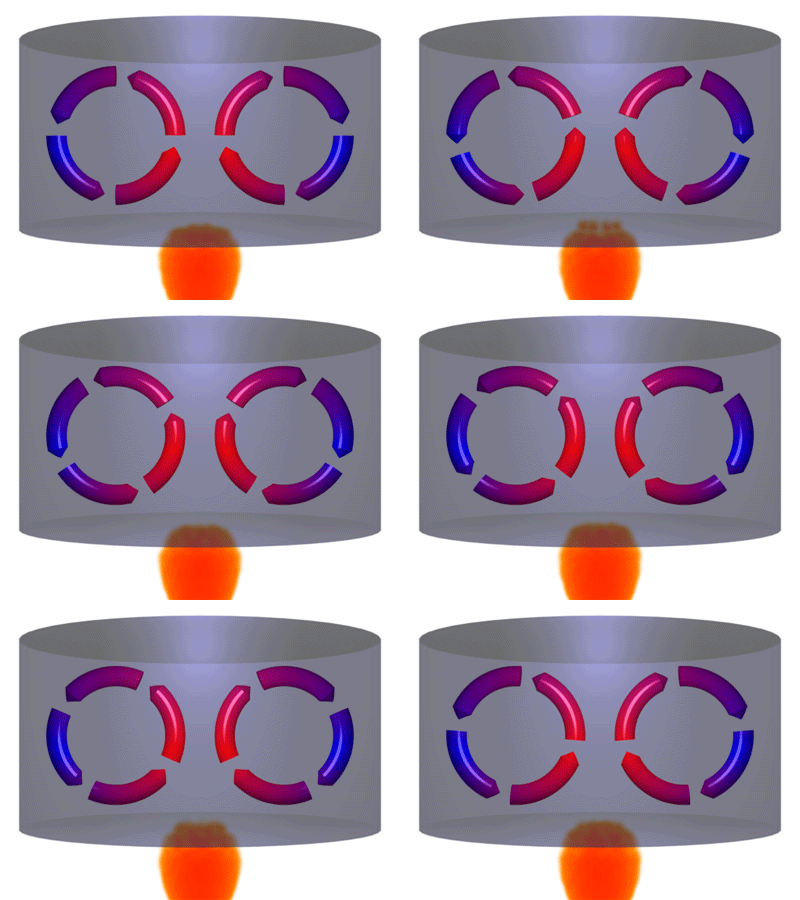
Convection
noun
the movement caused within a fluid by the tendency of hotter and therefore less dense material to rise, and colder, denser material to sink under the influence of gravity, which consequently results in transfer of heat.
Example: Heat transfer from a solid to air is by conduction and partial CONVECTION.
en: Convección
Fixed mass
noun
Gas laws tell you how the volume of a fixed mass of gas (= fixed amount of gas, the amount may be expressed in mass or moles) changes when pressure or temperature changes.
Example: fixed mass is highly required in open and closed systems.
en: Masa fija
heat flux
noun
Heat flux or thermal flux, sometimes also known as heat flux density or heat flow rate intensity is a flux of energy per unit area per unit time.
Example: At night, the air above the surface is warmer than the surface, and so there is a sensible HEAT FLUX to the ground, resulting in radiative cooling of the air.
en: flujo de calor
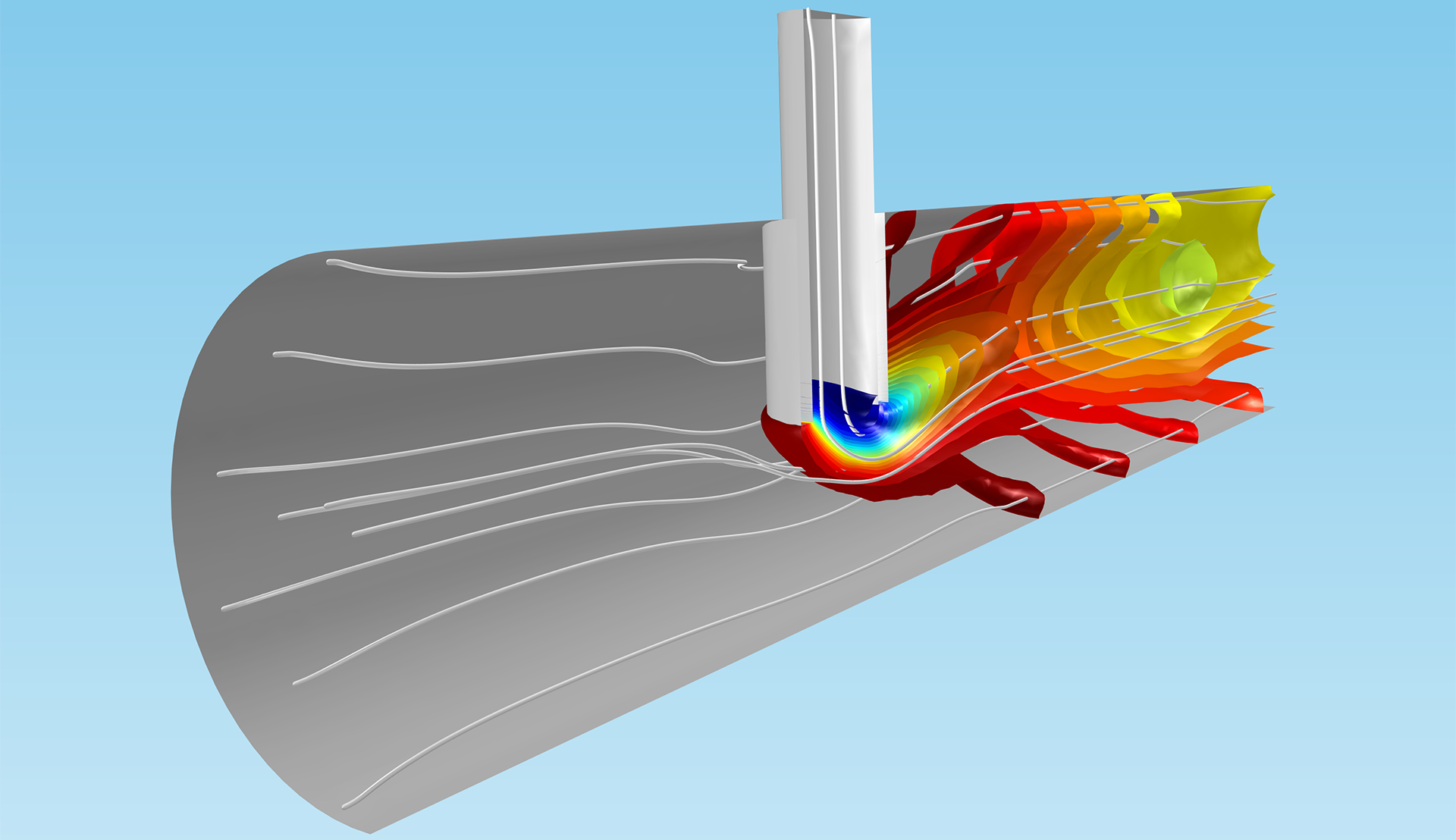
Heat Transfer
noun
Heat transfer, any or all of several kinds of phenomena, considered as mechanisms, that convey energy and entropy from one location to another.
Example: On the surface deposits of materials can accumulate that reduce the HEAT TRANSFER and increase the pressure drop.
en: Transferencia de calor
Internal energy
noun
The thermodynamic processes that define the internal energy are transfers of matter, or of energy as heat, and thermodynamic.
Example: As expected the rate constant increased with temperature due to the more INTERNAL ENERGY in the system, making it a lot easier to cross energetic barrier from reactants to products.
en: Energía interna
mass transfer
noun
Mass transfer describes the transport of mass from one point to another and is one of the main pillars in the subject of Transport Phenomena.
Example: Movement of air across the crop allows for greater energy and MASS TRANSFER, mixing air from the mass of the atmosphere with the relatively still air directly around the plant.
en: transferencia de masa
molecular energy
noun
The term is commonly used for the energy levels of electrons in atoms, ions or molecules- which are bound by the electric field of the nucleus.
Example: Theory 2.1 The internal energy of an ideal gas The addition of heat results in an increase in a substances internal MOLECULAR ENERGY. This MOLECULAR ENERGY comprises a variety of different kinetic energies associated with the motion of the individual molecules.
en: energía molecular
open system
noun
a material system in which mass or energy can be lost to or gained from the environment.
Example: it is a system that continuously interacts with its environment.
en: sistema abierto
Radiation
noun
the emission of energy as electromagnetic waves or as moving subatomic particles, especially high-energy particles which cause ionization.
Example: Tropical Southeast Asia receives the abundant amount of rainfall and solar RADIATION throughout the year which enables the multiple harvests of rice in a year in the region.
en: Radiación
thermal energy
noun
Thermal energy or heat energy is the part of the internal energy of a thermodynamic system in equilibrium that is provided at its absolute temperature and is increased or decreased by energy transfer, generally in the form of heat or work, in thermodynamic processes.
Example: The exchange of energy occurs through four main processes; the absorption and emission of electromagnetic radiation; thermal conduction of heat within the ground; transfer of THERMAL ENERGY directed away or towards the surface, the condensation of moisture in the atmosphere onto the surface or evaporation of water stored in the soil.
en: energía térmica
Total energy
noun
The total energy at any section in a moving fluid consists of the sum of the internal static, velocity, and potential energies at that section.
Example: TOTAL ENERGY, E = KE + PE + FE Energy is expressed in Nm (SI units) Following the law of conservation, assuming no energy loss between two sections, then the energy at one section (1) must equal the energy at another section (2).